

“Dr. Waldron, I just can’t sleep!” ‘Mildred’ was quite distraught. “I can usually fall asleep OK, but somewhere around midnight or 2:00 in the morning, I wake up and I can’t fall asleep again until a couple of hours later.”
“Is this something new?” I asked her.
“No,” she admitted. “It has been going on for a little while, but it keeps getting worse. I guess I focus on it more over time though. When I wake up, I just think to myself, ‘Here I go again,’ and then there’s no sleep for ages.”
We talked about different things that she had tried; what things were going on in her mind when she woke up. I was looking for things that she was doing well and things that she could do better to help with her sleep patterns.
Sleep is one of those things that is mysterious to most of us. We instinctively understand that it is important. We feel so much better after a good night’s rest, while alternatively, we feel much worse when we don’t get good sleep.
With modern technology, people have smart watches that monitor their sleep patterns. Even without doing a sleep study, they can tell how well they are sleeping and identify when they are in deep sleep or in less deep sleep.
I have a feeling that technology isn’t really the answer. The watches may tell you if you are getting good sleep, but they don’t really help you achieve it. More than that, if your watch makes you anxious about your sleep patterns, it may actually make your sleep quality worse.
Sleep comes to us unconsciously, and the harder we work to have it, the harder it is to achieve.
Biblical Reference to Restful Sleep
It is easy to think that people in Biblical times were different from us. Somehow, they never struggled with insomnia or similar things.
What we see is that good sleep is associated with the ideas of peace and protection of God. I will both lay me down in peace, and sleep: for thou, LORD, only makest me dwell in safety –Psalm 4:8.
Except the LORD build the house, they labour in vain that build it: except the LORD keep the city, the watchman waketh but in vain. It is vain for you to rise up early, to sit up late, to eat the bread of sorrows: for so he giveth his beloved sleep –Psalm 127:1-2.
Proverbs 3:22 speaks of those who follow wisdom and discretion as having “sweet sleep.”
Interestingly, in the Scriptures, we see two Persian kings struggling with sleep. King Ahaseurus was not able to sleep in Esther 6:1. His solution was to have his servants read to him from the records of the chronicles of his realm. I suppose this was boring enough reading that it often put him to sleep, although in this case, it did bring to mind the fact that Mordecai had saved his life and was worthy of a great reward.
Daniel 6:18 tells of a time when Darius the Persian was unable to sleep due to his anxiety around the problem of Daniel being in the den of lions.
This is not to say that insomnia is the result of sinful behaviors, but it certainly is helpful to have the peace that passeth understanding when we lie down to sleep.
Why Insomnia is Important
Before jumping into a fuller discussion of insomnia, it is important to define what insomnia is. Insomnia is a sleep disorder where a person does not get adequate sleep even though they have spent adequate time trying to sleep. This can happen either because the individual has difficulty falling asleep or because they wake up early in the morning and can’t fall back asleep.
There is not an official length of time that humans need to sleep. I know that it is commonly stated that people need to sleep eight hours a night, but while this is a relatively normal average, many people need quite a bit less sleep than that, while some need more sleep time than that.
A good way to judge if you are getting adequate sleep is to see how likely you are to fall asleep in various settings. Doctors use something called the Epworth Sleepiness Scale to quantify just how sleepy people are.1 A score of more than 10 indicates a lack of adequate sleep. (Although many times this is actually related to sleep apnea, rather than insomnia.)
One last thing to mention is that insomnia is a separate problem from sleep deprivation. Many people deliberately do not spend enough time sleeping. Maybe they are in school or are trying to work two jobs and end up sleeping only four or five hours a night. It is probably obvious, but the solution for these folks is simply to rebalance their schedules so that they can get adequate sleep.
Studies on insomnia often lump sleep-deprived individuals with those who simply can’t fall asleep well. This can make their results confusing.
People who do not sleep well have an increased risk of poorly controlled high blood pressure, obesity, and even strokes and heart attacks. More than that, people who have inadequate sleep tend to have trouble with concentrating and with daytime sleepiness (This is a safety issue with things like driving and operating heavy machinery).
Statistics show that 1 in 3 Americans deal with chronic insomnia. Many of them use over-the-counter remedies to try to help them sleep.
Don’t Stress About Sleep
Sleep is one of those things that the more you work at doing, the less likely you will be to have it happen to you. It isn’t something where a person lies down to sleep and through sheer willpower and focus, they are able to fall asleep in 5 minutes.
Instead, sleep comes because our minds are relaxed, our hearts are at peace, and we are physically tired. There is little that you can do about getting yourself to sleep faster other than simply trying to wear yourself out during the day through hard physical activity, such as work or exercise.
It seems like people who have trouble with insomnia have increasing levels of anxiety around falling asleep. They worry about it and even though they are tired, they have difficulty shutting down their minds when bedtime rolls around. They may even get sleep trackers to try to monitor how they are doing with their sleep patterns.
An excessive focus on sleep is bound to backfire. If you can keep from stressing about falling asleep or the amount that you are sleeping, that is better than ramping up your level of anxiety. It is important to remember that even though you are not actually asleep, you are still resting when you are lying in bed and that is beneficial.
Limit Caffeine
There is no evidence that moderate consumption of coffee and tea is harmful to humans. (By moderate consumption, doctors mean 2 to 3 cups a day.) In fact, coffee is associated with lower rates of heart disease, diabetes, and certain types of cancer.2 Tea, both green and black, probably has similar health benefits.3
Even though these drinks are likely beneficial, they contain caffeine. Caffeine has two downsides. First, it often leads to palpitations (skipped heart beats). While not dangerous, these can be uncomfortable and if someone has issues with them, I recommend discontinuing the use of caffeinated drinks.
The second thing is that caffeine is a stimulant. We have all probably met people who can drink caffeinated drinks right before bedtime and it doesn’t seem to bother them, but for most people, avoiding caffeine for five or six hours before bedtime is wise, particularly, for those who struggle with insomnia. Probably the biggest thing is that the use of caffeine in the evening increases people’s worries and then leads to sleeplessness and restless sleep.4
A good rule of thumb that I suggest to my patients is to avoid drinking anything caffeinated past noon on any given day. Those who are very sensitive to caffeine may do well to cut it out altogether.
Exercise at the Right Time
Just about any health issue that is brought up could have exercise listed as something that is helpful in treating it. Insomnia is no exception.
For exercise to be effective, it needs to be aerobic (exercise that increases both breathing rate and heart rate) and done on a chronic basis (daily for at least 16 weeks). Studies that looked at the effectiveness of aerobic exercise found that it had similar benefits to sleeping medications from a sleep standpoint, yet without the downside of side effects.5
The point with exercise is not simply that it makes people more tired so that they fall asleep faster, it also seems to release endorphins. These endorphins have many benefits in relaxing us when it comes time to sleep and helping us to stay asleep through the night.
It is important to note that vigorous exercise right before bedtime is probably not a good idea. While exercise is good, it gets the heart rate up and could make it more difficult for an hour or two afterward to fall asleep.
Practice Good Sleep Hygiene
Part of the reason that “modern” men struggle so much with sleep is that they have forgotten the basic techniques that people practiced, before the time of electricity.
One of the most important things is to try to be consistent in the times that we wake up and go to sleep. Your body and mind will get used to the schedule that you set for them, but if you wake up at 6:00 am on weekdays and then sleep in till 9:00 am on the weekends and fluctuate your evening schedule similarly, it will negatively impact your hormones.
Our pineal gland makes a hormone called melatonin that is highest in the evening hours. On the other hand, in the mornings, around the time we are ready to wake up, our adrenal glands make a hormone called cortisol, which increases our heart rate and blood pressure and gets us ready to start the day with maximum energy.
These hormones are cyclical and are affected by our exposure to sunlight and the sleep-wake patterns that we maintain. This is part of the reason why rotating shift workers (people who have a constantly changing work schedule) as well as night shift workers often struggle with disordered sleep. Simply, their bodies aren’t able to get used to their sleep-wake patterns and probably aren’t producing hormones in cycles that are helpful for them.
More than a schedule, it is important to do things to keep your bedroom a restful spot. Try to reserve your bed for sleep. Don’t use screens in your bedroom—you want your mind to associate going into your bedroom and lying down in bed, with falling asleep.
Focus on doing things that you find restful for at least an hour before bedtime. Reading news stories that fill your mind with negative or angry thoughts is not a good idea in this time leading up to sleep. The same is true with getting into arguments—either in real life or on social media. It is going to be hard to shut our minds off when they are still churning from a recent debate.
Keep your bedroom dark. Even small amounts of light at night are associated with negative effects on sleep. It seems that people who sleep with a nightlight have higher nighttime heart rates, poorer sleep, and some negative metabolic effects.6 Nobody is totally certain why this is true, but in the days before electricity, when people blew out their lamps or candles, there was pretty much total darkness in a home. Our bodies and minds probably need this downtime from light to function well.
Reduce nighttime noises. Using white noise makers or other things that mask the noise of the world around us can be helpful for people who are light sleepers.
Supplements
There is a huge market for vitamins and supplements in the United States. Most of these are not harmful, but it is questionable how effective they are at producing the effects that the people who take them hope they will.
Melatonin is the most commonly taken supplemental sleep aid. As mentioned above, our bodies make melatonin in the evening hours, and it helps relax us when it is time to go to sleep. As such, melatonin is most helpful in situations where your brain doesn’t know when to make melatonin, such as people dealing with jet lag (flying across time zones), and people with rotating shift work.
If you take it every day, melatonin probably will stop working as effectively, but using it short term may help. There doesn’t seem to be major downsides to using it, but some people do have hungover feelings with it.
Magnesium and B-complex vitamins also have some indication of improved sleep with those who take them. The one caution with magnesium is that people who have kidney issues can end up with elevated magnesium levels and should avoid taking magnesium supplementation without their doctor’s approval.
Medications
Something like 65 billion dollars a year is spent by Americans on sleeping medications. Much of this is actually spent on over-the-counter sleeping pills, but there are lots of prescription-only medications as well.
The majority of over-the-counter medications for sleep contain sedating antihistamines. Antihistamines are medications that are designed to reduce allergy symptoms, but some of the earliest ones, like diphenhydramine and doxylamine, had lots of side effects, including sleepiness and dry mouth.
Most of the over-the-counter medicines for insomnia have one of these two agents in them. People, particularly those over 65, need to be careful with these medicines; they can lead to groggy feelings the next day, along with brain fog, and even gait unsteadiness.
It is hard to know what to say about prescription medications. They are varied and have a variety of side effects. Many of them are actually anxiety medications that have been repurposed to function as sleep aids. Others are specifically sleep agents that work on various chemicals in the brain that are associated with sleep.
Most of these medications can be helpful in the short term. If someone has terrible insomnia after a death in the family, they may need something to help them get back into a normal sleep pattern. However, if used over the long term, people develop a tolerance of these medicines and find that they have difficulty sleeping, even when they take them.
People who have some other thing that is causing them to struggle with sleep will need to address that. For instance, people who have really bad arthritis pain need to address that. It could be that taking Tylenol at night could make a big difference in the amount of sleep that someone with severe arthritis gets.
Just as a final note, it is important to figure out if there is something else going on that negatively impacts sleep. Two disorders – restless leg syndrome and obstructive sleep apnea – are very common and easy to treat. People who have them will struggle to achieve restful sleep, but their issues are very different from simple insomnia.
As always, the best thing to do, when in doubt, is consult a medical professional.
Conclusion
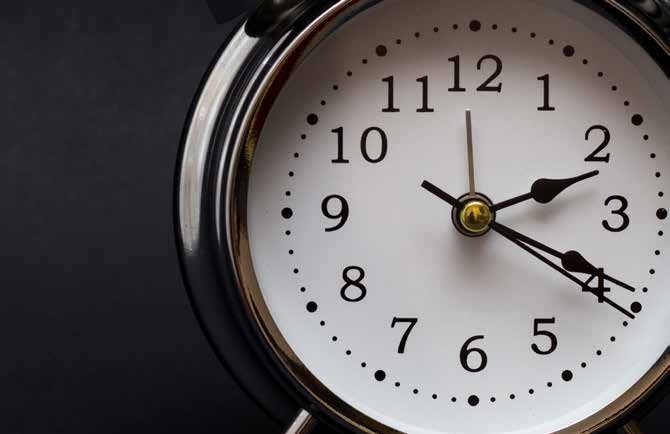
Our bodies were created with a need to have times of rest and times of sleep. There are few things that are as frustrating as lying down with the full intention to sleep and then watching the hours tick by on our clocks.
We are “fearfully and wonderfully made,” but sometimes, with the modern world running full speed around us, we do not take the time we need to calm our minds and take care of our bodies. It can turn into a vicious cycle where we are too exhausted to do the things we need to care for ourselves, but too stressed to have our minds enter the deep sleep that we are in need of.
There aren’t easy answers, but for the Christian, we will begin to take healthy steps, even though we are tired. More than that, we will cast our cares and anxieties on our Heavenly Father, for we know that He cares for us.
Most of all, we know that Thou wilt keep him in perfect peace, whose mind is stayed on thee: because he trusteth in thee –Isaiah 26:3.
- https://www.cdc.gov/niosh/emres/longhourstraining/scale.html
- https://www.ncbi.nlm.nih.gov/pmc/articles/PMC8562048/#:~:text=A%20significant%20number%20of%20studies,%2C%20kahweol%2C%20and%20chlorogenic%20acids
- https://www.ncbi.nlm.nih.gov/pmc/articles/PMC4055352/
- https://pubmed.ncbi.nlm.nih.gov/16949554/
- https://www.ncbi.nlm.nih.gov/pmc/articles/PMC3370319/
- https://www.pnas.org/doi/10.1073/pnas.2113290119